

The PGA Tour is preparing for its most significant transformation in decades.
With former NFL executive Brian Rolapp set to take over leadership in 2027 and a new competitive structure planned for 2028, the Tour is moving toward a system that would divide players into a top-tier Championship Series and a second-tier Challenger Series, complete with promotion and relegation.
The goal is simple: create more meaningful competition, bring the game’s biggest stars together more often, and deliver a better product for fans, sponsors, and television partners.
For California golf, the changes could have far-reaching implications.
California’s Premier Events Could Become Even More Important
California already hosts some of the PGA Tour’s most recognizable tournaments and venues.
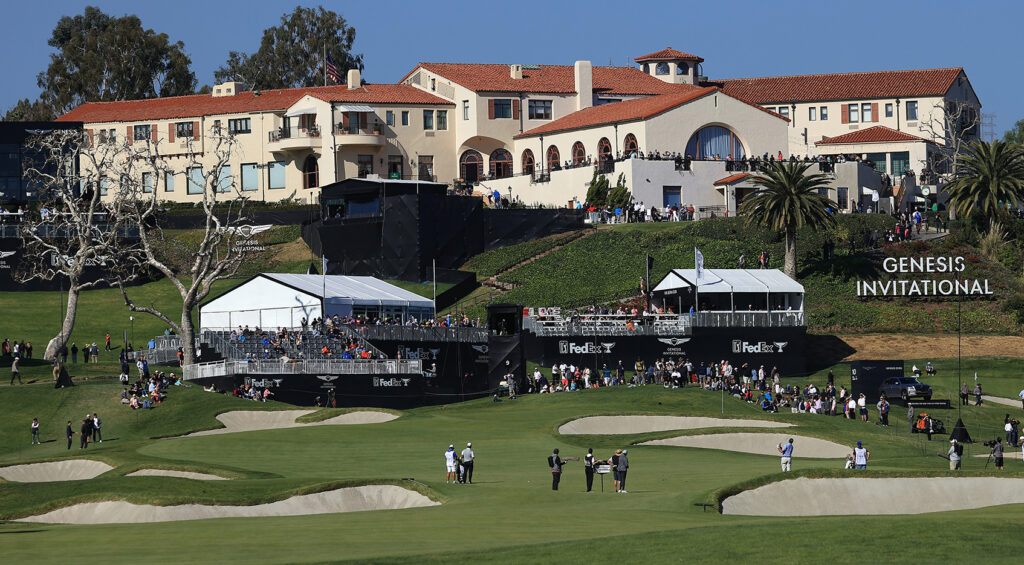
The AT&T Pebble Beach Pro-Am, The Genesis Invitational at Riviera Country Club, and the Farmers Insurance Open at Torrey Pines are among the most prestigious stops on the schedule.
Under the new format, the Tour is expected to place greater emphasis on premier events featuring the game’s biggest stars. That could elevate the importance of California tournaments, particularly those with strong fan support, television ratings, and historic venues.
Riviera, which will host golf during the 2028 Olympic Games, appears especially well-positioned to remain one of the Tour’s cornerstone events.
More Star Power for California Fans
One of the primary objectives of the new structure is to ensure the world’s best players compete against each other more frequently.
For fans attending events in California, that could mean stronger fields and fewer weeks where top players skip tournaments.
The Tour believes fans want to see Scottie Scheffler, Rory McIlroy, Xander Schauffele, Collin Morikawa, Justin Thomas, and other stars competing head-to-head on a more regular basis.
If the new model succeeds, California golf fans could benefit from more marquee matchups throughout the season.
California Players Could Thrive
California has become one of the most influential states in professional golf.
Players such as Collin Morikawa, Max Homa, Sahith Theegala, Xander Schauffele, Patrick Cantlay, and Wyndham Clark all have strong ties to the state.
The promotion-and-relegation concept would create greater pressure on players to perform consistently throughout the season. Every tournament could carry more significance as players fight to maintain their position in the Championship Series.
For elite California players, the system could create additional opportunities to compete on golf’s biggest stages.

A More Competitive PGA Tour
Supporters of the new structure believe it will make professional golf easier for fans to follow.
Rather than a long season with varying field strengths, the Tour hopes to create a more clearly defined hierarchy where players earn their way into the top tier and must continue performing to remain there.
The concept has similarities to systems used in international soccer, where promotion and relegation create meaningful competition throughout the season.
For fans, every tournament could matter more.
What Happens Next?
While many details are still being finalized, the broad direction is clear.
The PGA Tour is betting that a more competitive structure, combined with stronger fields and increased fan engagement, will strengthen the Tour’s position in an increasingly crowded sports landscape.
For California golf fans, the changes could mean more star power, more meaningful tournaments, and an even greater spotlight on some of the state’s most iconic venues.
The biggest question now is whether the Tour’s bold vision can deliver on its promise.
One thing is certain: professional golf in 2028 will look very different than it does today.

